EU to Ban Plastic Sachets and Fruit Nets by 2030
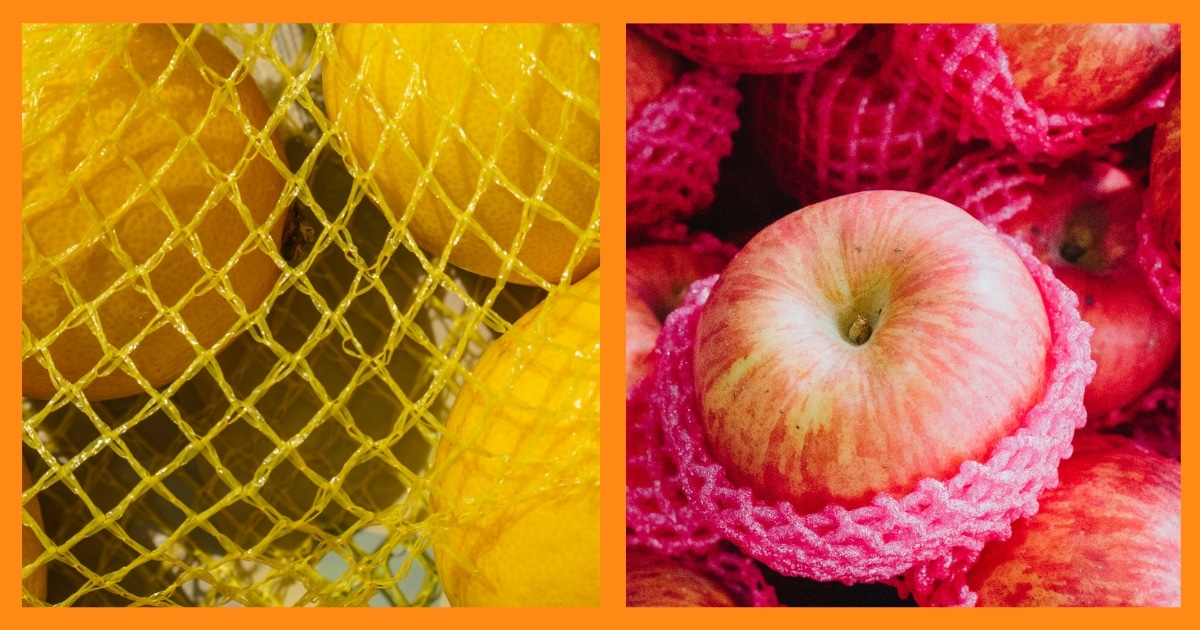
In a major move to curb plastic waste, the European Union has announced fruit nets, and some single-use plastic packaging, including ketchup sachets, will be banned by 1 January 2030.
The changes are part of a broader EU directive aimed at reducing unnecessary packaging and promoting reusable alternatives.
According to TheJournal.ie, the ban will apply to:
- Plastic nets used for fruit and vegetables sold in quantities under 1.5kg.
- Single-use plastic sachets for condiments like ketchup and mayonnaise.
- Plastic trays and cups used for food and drinks consumed on-site.
- Miniature shampoo bottles in hotels.
Repak, Ireland’s industry-funded packaging compliance scheme, has advised its members — including supermarkets, hospitality venues and manufacturers—to begin preparing now. The organisation noted that plastic punnets and trays will also be phased out unless their use can be clearly justified for hygiene or food preservation reasons.
Get In Touch To Learn About How We Can Help With The Challenge Of Eliminating Single-Use Plastic
The Sustainable Tourism Network is ready to help with that preparation and can show you examples of what other businesses have done to combat the challenges of single-use plastics. Get in
Some exemptions are expected for delicate produce such as raspberries, where packaging may still be necessary to prevent spoilage.
Retailers are already responding. Aldi, for example, is conducting a full review of its packaging materials and reaffirmed its commitment to reducing its plastic footprint. Alternatives being explored include refill stations, pump dispensers, and reusable containers. Compostable sachets may be permitted under the new rules.
An EU survey cited by TheJournal.ie found that three-quarters of Irish respondents identified plastic waste as the country’s most pressing waste issue. Despite this, plastic packaging remains widespread in Irish retail and hospitality sectors.
The new rules are expected to accelerate the shift toward reusable systems and more sustainable consumer habits across the EU.


