Food Waste Reduction in Tourism: Lessons From Irish Tourism Businesses
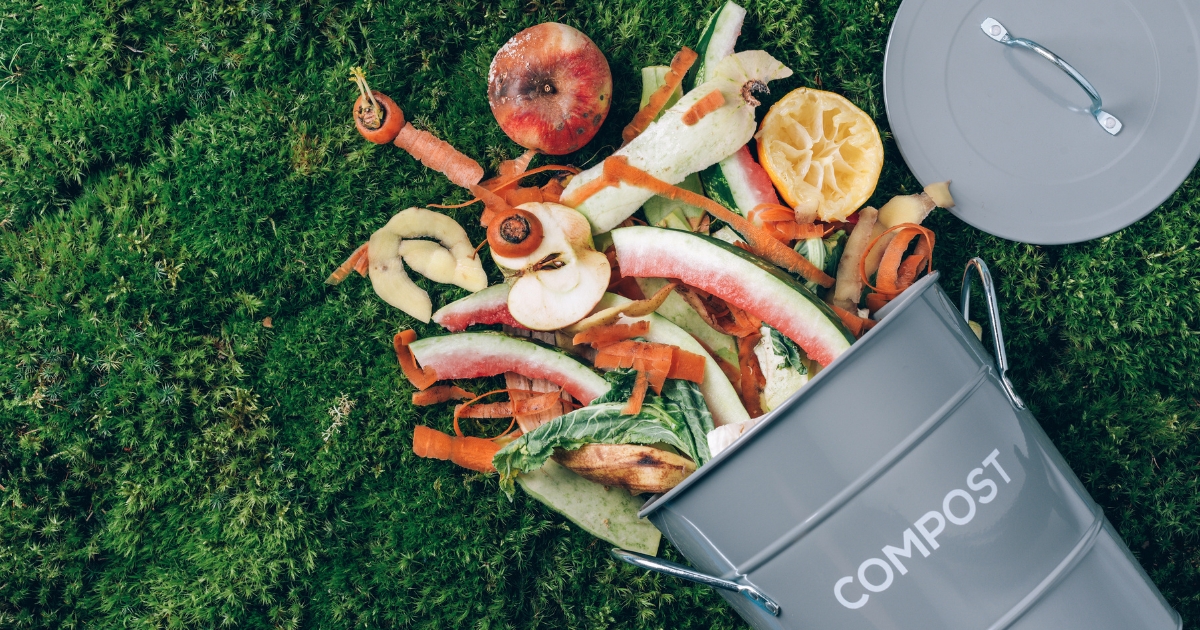
National Stop Food Waste Day is coming up here in Ireland on 01 March, and at Sustainable Tourism Network, we want to spotlight one of the most practical, impactful sustainability actions a tourism business can take: reducing food waste.
Food waste reduction isn’t just an environmental win – it supports local communities, cuts costs, improves operational efficiency, and increasingly influences guest choice. In fact, 75% of global travellers say they want to stay in more sustainably‑focused accommodation according to Booking.com’s Sustainable Travel Research.
Across Ireland, tourism businesses are already showing how sustainability and profitability can go hand in hand.
Why Food Waste Matters For Tourism
More than one quarter of all food produced globally is wasted every year, contributing up to 10% of global greenhouse gas emissions.
In Ireland alone, the Environmental Protection Agency (EPA) estimates 835,000 tonnes of food waste were generated in 2023, with restaurants, hotels and food services responsible for 21% of that total.
On a very practical level, food waste is also money in the bin. With so many increasing costs, do you really want to be wasting
StopFoodWaste.ie estimates that in a small 15‑litre bin, around €12.50 worth of food is wasted on average – and that adds up fast across a kitchen, café or any hotel or hospitality operation.
Irish Tourism Businesses Leading The Way
Simple, Effective Kitchen Practices To Reduce Food Waste
Not every action requires major investment:
- An Ríasc Restaurant (Co. Kerry) ensures food and kitchen scraps are composted or returned to the garden wherever possible
- Slieve Elva B&B (Co. Clare) uses an anaerobic digester, turning food waste into fertiliser for the garden
These closed‑loop systems reduce waste disposal costs while supporting local food growing and biodiversity.
Killeavy Castle Estate – Circular By Design
At Killeavy Castle Estate, food waste never goes to waste:
- All food waste is repurposed as feed for estate farm animals
- Grass cuttings, branches and garden waste are composted on‑site
- Compost is reused in vegetable and herb beds, feeding directly back into the guest experience
This is circular tourism in action – visible, educational, and deeply connected to place.
Airfield Estate, Dublin – Turning Waste Into A Teaching Tool
Airfield Estate shows how food waste reduction can also drive visitor engagement and education:
- On‑site composting and aerobic digestion handle food waste from cafés and kitchens
- Compost is reused across the working farm and gardens
- Waste reduction is signposted as part of the visitor journey, inspiring behaviour change beyond the visit
Their approach highlights how tourism experiences can actively raise awareness, not just reduce impact.
Castle Leslie Estate – Scaling Up With Bio Digestion
Castle Leslie has invested in a biodigester capable of processing 7–10 tonnes of food and equine waste per week:
- This has led to waste volume being reduced by up to 80%
- Produces nutrient‑rich compost for estate land
- Supports soil health, reduces haulage, and closes the loop on‑site
A strong example of how larger estates can scale food waste solutions effectively.
Killarney Park Hotel & The Ross – Data‑Driven Kitchens
Both Killarney Park Hotel & The Ross use Positive Carbon’s Smart Kitchen technology, which:
- Weighs and visually tracks food waste by item
- Provides chefs with real‑time data to inform menu design and purchasing
- Supports a sustainability goal to reduce food waste by 10%
- Reinforces commitments to locality and seasonality
Technology here becomes a decision‑making tool helping these hotels to achieve their sustainability targets and cost savings, not just a reporting exercise.
Guinness Storehouse – Food Waste At Visitor Scale
The Guinness Storehouse combines multiple best‑practice approaches:
- Its biodigester reduces food waste at a ratio of 8:1 litres, turning waste into compost
- The team has seen a 40% reduction in organic waste since its installation. The compost is returned to the supplier, turning what would be waste into a usable product. (A sustainability win-win for everyone!)
- Clearly segregated bins in visitor areas (recycling, general, organic) has helped reduce contamination at touching points. It’s also a proactive way to bring sustainability action into the mainstream.
- Positive Carbon sensors have been installed in kitchens to track food waste by type, giving them up to date information. This improves planning as it informs the chefs on what and how much to purchase and for curating menus.
Crucially, visitors are actively involved in the solution through visible bin choices and storytelling.
The Armada Hotel, Co. Clare – Local Supply, Strong Performance
The Armada Hotel demonstrates how local sourcing and sustainability can underpin business success and can feed into your food waste reduction too.
- 73% of suppliers are located within 80km (248 local suppliers), strengthening the regional food economy and reducing food miles
- In 2023, the Armada reported record revenues of €13.23m, a 13% increase on 2022
- Operating profits rose by 18% to €2m in the same year
Sustainability isn’t a “nice to have” here – it’s embedded in the business model at The Armada and clearly compatible with commercial growth.
Five Actions You Can Take With Food Waste Today
Use Your Voice
Create simple online content for guests and staff explaining why food waste matters and what you’re doing about it. Use #StopFoodWaste and #SFWDay2026 to align with the national conversation.
Share The Real Cost
Did you know over 25% of food is wasted globally every year? Or that a small food bin can hold €12.50 worth of wasted food? That adds up! Raise awareness on how you can bring these costs down. Share StopFoodWaste.ie tips with your team and guests so the learning goes home with them.
Sign The Food Waste Charter
The Food Waste Charter is part of Ireland’s National Circular Economy Programme, led by the EPA. By signing up, your business commits to pledge, measure, reduce and report food waste annually, making you accountable for you food waste efforts.
Measure What Matters
Segregate your waste streams and start measuring food waste. You’ll be blown away by the savings you will find! As mentioned above, waste = money, so food waste management = incremental cost savings. If you need support with signage when segregating your bins, MyWaste.ie have some great food waste resources here too.
Bring Your Team With You
If team engagement is a challenge, don’t go it alone. Bring in your support squad. Our members receive a library of free on demand e-learning courses as part of their membership, and yes there is one on there on food waste that can be shared with all your employees. We can also come in and help you in person and bring everyone on board your sustainability-driven and food waste-avoidant ship. Get in contact today and see how we can support you achieve your sustainability and food waste reduction goals!
Ready For National Stop Food Waste Day?
With these actions and some proactive planning, your tourism business can feel confident and prepared ahead of National Stop Food Waste Day on 01 March. Reducing food waste isn’t just good sustainability practice. It’s good business. It’s money in your pocket that you can spend on improving other areas of your business. It’s one more way tourism can be a force for good.


